
How to Prepare for Power Outages This Winter: A Homeowner’s Guide
Winter in Virginia can be unpredictable—from heavy rain and freezing winds to surprise snowstorms and ice. And when the power goes out, it doesn’t just get inconvenient—it can get dangerous.
At W.J. Whitley Electric & Communications LLC, we’ve spent over 50 years helping homeowners across Gloucester, the Middle Peninsula, and the Northern Neck stay safe, warm, and prepared when winter weather strikes. As your local electrical experts and authorized Briggs & Stratton generator dealer, we’re here to help you prepare for anything the season throws your way.
Here’s what every homeowner should know to stay powered, protected, and prepared this winter.
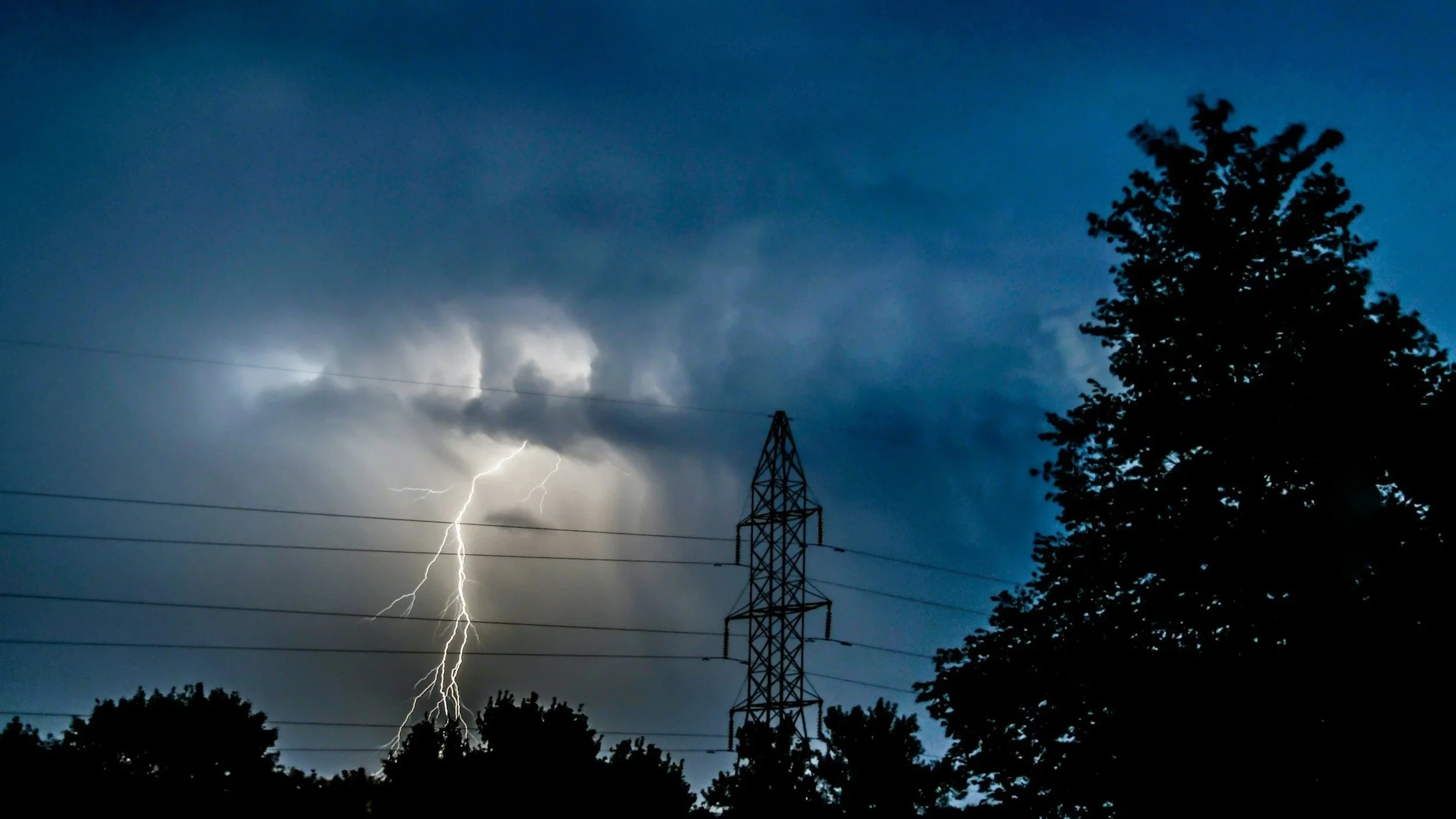
Why Power Outages Are More Common in Winter
While summer storms often get the spotlight, winter is the season with the most prolonged outages. Ice accumulation on power lines, fallen tree limbs, high winds, and freezing rain are all major threats to Virginia’s power grid.
Some of the most common winter outage triggers include:
Ice and snow weighing down power lines
High winds knocking out transformers or poles
Increased energy demand stressing the grid
Accidents involving slippery roads and utililty infrastructure
If you don’t have a backup power plan, even a shorter outage can lead to:
Frozen pipes and water damage
Spoiled food
No hear in sub-freezing temperatures
Communication breakdowns
Medical device risks
Safety hazards from candles or portable heaters
The #1 Winter Prep Tip: Invest in a Standby Generator
The single most effective way to protect your home and family during a winter power outage is to install a whole-home generator. These systems automatically kick on when the power goes out, keeping your lights, heat, appliances, and essential systems running.
As an authorized Briggs & Stratton dealer, we offer:
Generator sales and expert guidance
Professional installation
Routine maintenance and servicing
Emergency generator repairs
Benefits of a Standby Generator:
Seamless power transfer in under 30 seconds
Keeps HVAC, refrigerators, medical equipment, and Wi-Fi working
Adds value to your home
Safer than portable generators (no manual refueling or extension cords)
Can power your entire home—or just key circuits
Not sure which generator is right for you? We offer free estimates and help size your system based on your needs, budget, and square footage.
10 Tips to Prepare Your Home for a Winter Power Outage
Even if you have a generator, there are steps every homeowner should take before the next storm hits.
1) Test Your Generator
If you already have a standby or portable generator, now’s the time to test it—not when the lights go out.
Check fuel levels, oil, and battery condition
Run the unit for 10–15 minutes
Verify the transfer switch is working
Schedule professional maintenance if it hasn’t been serviced in 6+ months
2) Inspect Your Electrical Panel
Your panel is the heart of your home’s power system. If it’s outdated, overloaded, or corroded, it may not handle winter demands—or a power surge when power is restored.
We offer electrical panel upgrades and inspections to ensure your system is safe and up to code.
3. Seal Drafts and Insulate Pipes
Power outages often bring cold indoor temperatures. Sealing windows, insulating pipes, and checking weatherstripping can reduce heat loss and prevent frozen pipes.
4. Keep Flashlights and Batteries Handy
Avoid using candles, which are a fire hazard. Stock up on LED flashlights, headlamps, and extra batteries in an easy-to-reach spot.
5. Stock Emergency Essentials
Keep non-perishable food, bottled water, warm blankets, and a first aid kit on hand. Don’t forget essentials like medications, baby supplies, and pet food.
6. Charge All Devices
Before a major winter storm, charge phones, power banks, and rechargeable lights. If you don’t have a generator, a charged backup battery can make a huge difference.
7. Install Carbon Monoxide Detectors
If you use a fireplace, gas stove, or portable generator, make sure your CO detectors are working and up to date.
8. Know How to Shut Off Utilities
If a pipe bursts or something starts sparking, know how to safely turn off water, gas, and electricity.
9. Check for Tree Limbs Near Power Lines
Trim back any overhanging limbs or branches near your home or service lines. Ice accumulation can cause them to snap.
10. Create a Family Emergency Plan
Make sure everyone in the home knows what to do if the power goes out—especially kids or elderly family members.
Portable vs. Standby Generators: What’s the Difference?
If you’re not ready for a full standby system, you might be considering a portable generator. Here’s a quick comparison:
If you’re considering backup power options for your home, it’s important to understand the key differences between portable generators and standby generators—especially when preparing for winter storms.
Power Capacity:
Portable generators are best for powering just a few circuits or essential devices like your refrigerator or a few lights. Standby generators, on the other hand, can power your whole home or key systems like HVAC, sump pumps, and medical equipment.
Startup:
Portable generators must be started manually, while standby generators turn on automatically within seconds of a power outage—no action needed.
Fuel:
Portable units typically run on gasoline and need to be manually refueled every few hours. Standby generators are connected to your home’s natural gas line or a dedicated propane tank for continuous operation.
Installation:
Portable generators are plug-in devices and require extension cords or a manual transfer switch. Standby generators are permanently installed outside your home with a professional automatic transfer switch that safely controls your power supply.
Safety:
Portable generators must be used outdoors and far away from windows or doors due to the risk of carbon monoxide. Standby generators are enclosed in weatherproof housings and operate safely outside the home with minimal maintenance.
Best For:
Portable generators are a good choice for short-term or limited outages. Standby generators are ideal for long-term protection, frequent outages, or powering your entire home seamlessly.
Need help deciding what’s right for you? We’re happy to walk you through your options and provide a free estimate for installation or service.
Why Choose W.J. Whitley Electric?
We’re more than just an electrical company—we’re your neighbors, serving this region since 1972. As a family-owned, veteran-owned, and fully licensed business, we care deeply about the safety and comfort of our community.
When you work with us, you get:
Expert service from a trusted local team
Fully code-compliant work
Transparent pricing and free estimates
Access to top-tier equipment from Briggs & Stratton
Ongoing support—before, during, and after your install
We proudly serve Gloucester, Mathews, Middlesex, Lancaster, and surrounding counties across the Middle Peninsula and Northern Neck.
Don’t Let Winter Storms Catch You Off Guard
The holidays are stressful enough without having to deal with frozen pipes, spoiled food, or freezing cold rooms. Whether you’re home for the season or traveling, having a reliable power plan in place is one of the best gifts you can give your family this year.
Let’s make sure your home stays safe, warm, and powered—no matter what winter brings.
Call Us at 804-693-1256 Schedule Your Free Generator or Electrical Estimate Today
Serving the Middle Peninsula and Northern Neck for over 50 years.
