Clover Creative Co. . Clover Creative Co. .

New Year, Safe Start: 7 Electrical Checks Every Homeowner Should Make at the Beginning of the Year

Start the new year with peace of mind by making sure your home’s electrical system is safe and up to code. From testing GFCI outlets to inspecting your panel and scheduling a professional check-up, these 7 essential steps will help you prevent costly problems and protect your home all year long.

As we begin a new year, many homeowners are setting goals for healthier habits, better finances, or cleaner spaces—but what about one of the most important parts of your home: your electrical system?

At W.J. Whitley Electric & Communications LLC, we’ve served Gloucester, the Middle Peninsula, and Northern Neck communities for over 50 years. And if there’s one thing we know, it’s that preventative maintenance saves money, protects property, and could even save lives. Electrical issues are often hidden behind walls or inside overloaded panels—until they aren’t. January is the perfect time to catch small problems before they become major ones.

Here’s your homeowner checklist to start the year safe, secure, and powered with confidence.

🔌 Why January is the Right Time for an Electrical Safety Check

The holiday season typically means heavy electrical usage—space heaters, Christmas lights, kitchen appliances running nonstop—and that all adds up. January brings colder weather, greater reliance on backup heating, and the start of a new billing cycle.

It’s also one of the most common months for residential fires caused by electrical malfunctions. According to the National Fire Protection Association (NFPA), electrical distribution and lighting equipment are involved in over 30,000 home fires each year.

January gives you a natural reset. Instead of reacting to an outage, flickering lights, or tripped breakers, you can take a proactive approach and prevent these issues before they start.

7 Electrical Checks to Make in January

1. Test GFCI and AFCI Outlets

GFCIs (Ground Fault Circuit Interrupters) are designed to cut off power instantly if there’s a shock risk, such as moisture in a kitchen, bathroom, or outdoor outlet. AFCIs (Arc Fault Circuit Interrupters) shut down power if they detect an arc fault—typically caused by damaged wires or loose connections behind walls.

What You Should Do:

  • Locate each GFCI outlet in your home. Press the “Test” button. The outlet should immediately cut power to that plug and anything else it controls.

  • Then press “Reset” to restore power.

  • If it doesn’t respond, or won’t reset, it needs replacement.

  • For AFCIs, look inside your panel for special labeled breakers and use the test function if available.

Why It Matters: These are your first line of defense against electrical shocks and fires. If you live in an older home that doesn’t have GFCIs installed in kitchens, baths, laundry rooms, or outdoors—it’s time for an upgrade.

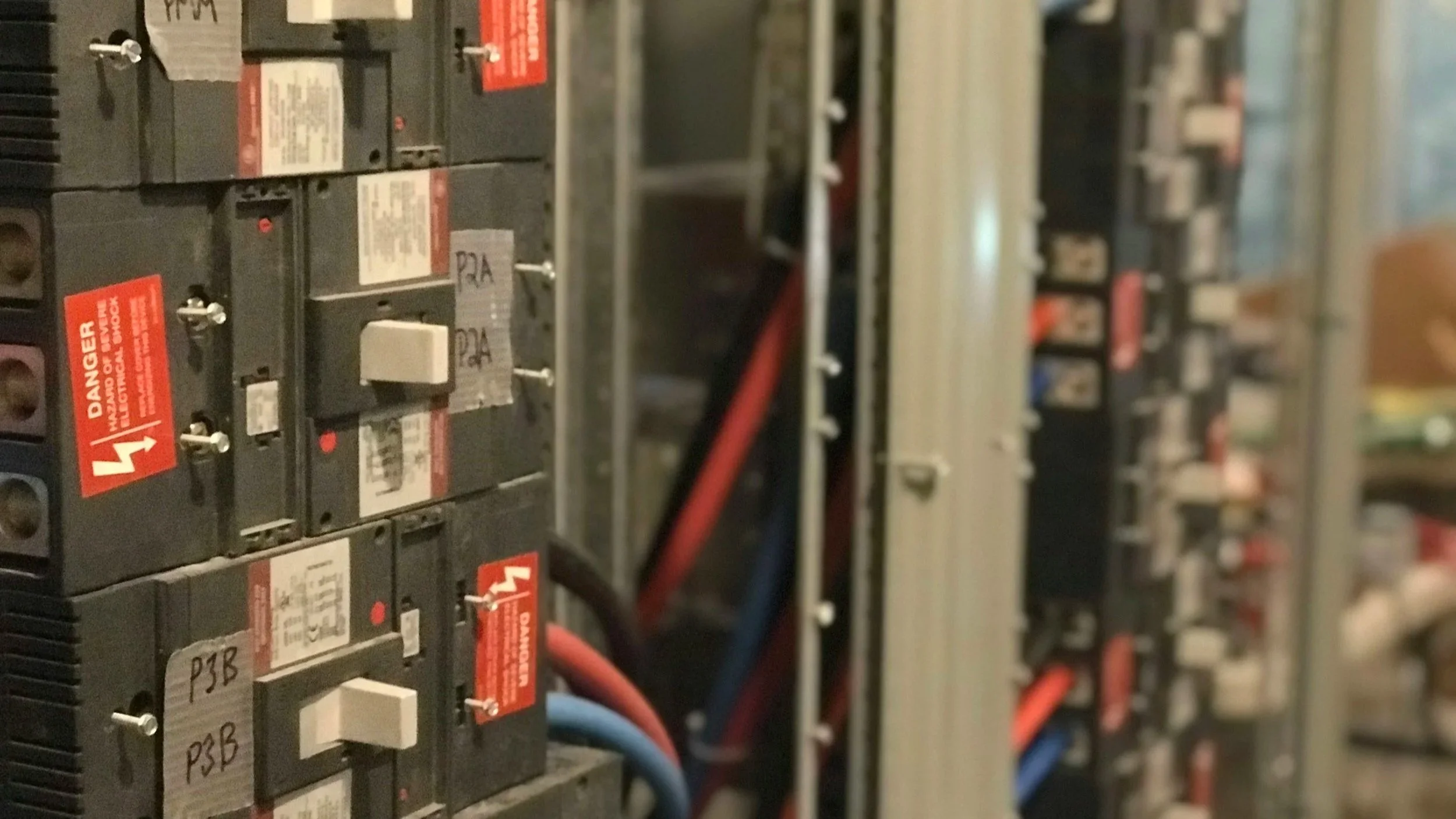
2. Inspect Your Electrical Panel

Your electrical panel is like your home’s nervous system. It distributes power safely and evenly throughout your home—until something interrupts that flow.

Warning Signs You Shouldn’t Ignore:

  • You hear buzzing or humming near the panel

  • You smell something burning or see scorch marks

  • Your breakers trip regularly

  • The panel is over 20–25 years old

  • Your panel is made by a manufacturer known for safety issues (like Federal Pacific or Zinsco)

What You Can Do:

Open the panel door and give it a quick look and listen. If anything seems off, call in a licensed electrician for a professional inspection. We’ll assess load balance, look for outdated wiring, and recommend updates as needed.

Bonus Tip: If you’re planning renovations or just added a major appliance (like a hot tub, EV charger, or HVAC upgrade), your panel may need to be resized to meet the new demands.

3. Check for Overloaded Circuits

Holiday decorations and extra kitchen gadgets often lead to overloaded circuits that can wear down your wiring or trip breakers repeatedly.

What to Look For:

  • Lights dimming when appliances turn on

  • Frequently tripped breakers

  • Outlets that feel warm to the touch

  • Extension cords used long-term

  • Buzzing or static from outlets or switches

If any of this sounds familiar, your home may need a dedicated circuit or a few new outlets. We can evaluate your load usage and prevent dangerous overloads—especially if your home was built before the modern code standard of 1 circuit per room.

4. Replace Loose, Discolored, or Sparking Outlets

Outlets that don’t hold plugs snugly, appear cracked, or spark when you insert a plug are not just annoying—they’re dangerous.

What You Can Do:

  • Check each outlet with a plug. If it wobbles or won’t hold, it’s time to replace.

  • Look for scorch marks or discoloration around outlets and switches.

  • Replace two-prong outlets (common in older homes) with grounded, three-prong outlets for better protection.

These fixes are relatively simple and affordable when caught early—and we’re happy to do a quick walk-through and make recommendations.

5. Install Whole-Home Surge Protection

You might think of surge protectors only in terms of lightning, but most surges come from within your home—things like AC compressors cycling on, power grid fluctuations, or faulty appliances. These “mini surges” wear down sensitive electronics over time.

What to Consider:

  • Install surge-protecting power strips on expensive devices (TVs, computers, routers, etc.)

  • Invest in a whole-home surge protector that connects at your panel for layered protection

  • Schedule a free estimate with our team—we’ll evaluate your exposure and recommend the right model

Especially with the rising cost of appliances, it’s better to protect than replace.

6. Check Smoke Detectors and CO Alarms

According to the NFPA, nearly 60% of home fire deaths happen in homes without working smoke alarms. If your detectors are chirping, missing batteries, or more than 10 years old, now’s the time to act.

January Checklist:

  1. Test all smoke alarms and CO detectors

  2. Replace batteries (even in hardwired models with battery backups)

  3. Install alarms in hallways, inside every bedroom, and on each level of your home

  4. Make sure at least one CO detector is near your heating system and any attached garage

Don’t have the right detectors installed? We can wire in code-compliant smoke/CO combo units for reliable, year-round protection.

7. Schedule a Professional Inspection

Even if everything looks okay on the surface, there’s no substitute for a licensed electrician doing a thorough inspection of your wiring, panel, outlets, lighting, and grounding system.

Why It’s Worth It:

  • We catch hidden issues like double-tapped breakers, outdated wiring, overloaded circuits, and improper installations

  • We ensure everything is up to Virginia code and national NEC standards

  • We help you make a plan for future upgrades or improvements

  • We offer free estimates and straight talk—no pressure

Start the year with peace of mind. A one-hour visit could prevent a very expensive problem down the road.

🛠️ Why Trust W.J. Whitley Electric?

  • Family-owned and operated since 1972

  • Fully licensed and insured for residential and commercial work

  • Known for affordability, integrity, and code-compliant craftsmanship

  • Proudly serving Gloucester, Mathews, Middlesex, and surrounding areas

  • Authorized Briggs & Stratton generator dealer and service provider

When you work with us, you’re more than a number—you’re a neighbor. We believe in doing the job right the first time and backing our work with trust and transparency.

🗓️ Ready to Schedule Your Safety Check?

Start 2026 with confidence. Whether you need a quick outlet repair, a new panel, or just want a second opinion—we’re here to help.

📞 Call us at 804-693-1256

🌐 www.wjwhitleyelectric.com

📍 Serving Gloucester, the Middle Peninsula, and Northern Neck

Read More
Clover Creative Co. . Clover Creative Co. .

How to Prepare for Power Outages This Winter: A Homeowner’s Guide

Don’t get left in the cold—prepare for winter power outages with these essential tips from W.J. Whitley Electric in Gloucester, VA. Learn how to protect your home and stay connected.

Winter in Virginia can be unpredictable—from heavy rain and freezing winds to surprise snowstorms and ice. And when the power goes out, it doesn’t just get inconvenient—it can get dangerous.

At W.J. Whitley Electric & Communications LLC, we’ve spent over 50 years helping homeowners across Gloucester, the Middle Peninsula, and the Northern Neck stay safe, warm, and prepared when winter weather strikes. As your local electrical experts and authorized Briggs & Stratton generator dealer, we’re here to help you prepare for anything the season throws your way.

Here’s what every homeowner should know to stay powered, protected, and prepared this winter.

Why Power Outages Are More Common in Winter

While summer storms often get the spotlight, winter is the season with the most prolonged outages. Ice accumulation on power lines, fallen tree limbs, high winds, and freezing rain are all major threats to Virginia’s power grid.

Some of the most common winter outage triggers include:

  • Ice and snow weighing down power lines

  • High winds knocking out transformers or poles

  • Increased energy demand stressing the grid

  • Accidents involving slippery roads and utililty infrastructure

If you don’t have a backup power plan, even a shorter outage can lead to:

  • Frozen pipes and water damage

  • Spoiled food

  • No hear in sub-freezing temperatures

  • Communication breakdowns

  • Medical device risks

  • Safety hazards from candles or portable heaters

The #1 Winter Prep Tip: Invest in a Standby Generator

The single most effective way to protect your home and family during a winter power outage is to install a whole-home generator. These systems automatically kick on when the power goes out, keeping your lights, heat, appliances, and essential systems running.

As an authorized Briggs & Stratton dealer, we offer:

  • Generator sales and expert guidance

  • Professional installation

  • Routine maintenance and servicing

  • Emergency generator repairs

Benefits of a Standby Generator:

  • Seamless power transfer in under 30 seconds

  • Keeps HVAC, refrigerators, medical equipment, and Wi-Fi working

  • Adds value to your home

  • Safer than portable generators (no manual refueling or extension cords)

  • Can power your entire home—or just key circuits

Not sure which generator is right for you? We offer free estimates and help size your system based on your needs, budget, and square footage.

10 Tips to Prepare Your Home for a Winter Power Outage

Even if you have a generator, there are steps every homeowner should take before the next storm hits.

1) Test Your Generator

If you already have a standby or portable generator, now’s the time to test it—not when the lights go out.

  • Check fuel levels, oil, and battery condition

  • Run the unit for 10–15 minutes

  • Verify the transfer switch is working

  • Schedule professional maintenance if it hasn’t been serviced in 6+ months

2) Inspect Your Electrical Panel

Your panel is the heart of your home’s power system. If it’s outdated, overloaded, or corroded, it may not handle winter demands—or a power surge when power is restored.

We offer electrical panel upgrades and inspections to ensure your system is safe and up to code.

3. Seal Drafts and Insulate Pipes

Power outages often bring cold indoor temperatures. Sealing windows, insulating pipes, and checking weatherstripping can reduce heat loss and prevent frozen pipes.

4. Keep Flashlights and Batteries Handy

Avoid using candles, which are a fire hazard. Stock up on LED flashlights, headlamps, and extra batteries in an easy-to-reach spot.

5. Stock Emergency Essentials

Keep non-perishable food, bottled water, warm blankets, and a first aid kit on hand. Don’t forget essentials like medications, baby supplies, and pet food.

6. Charge All Devices

Before a major winter storm, charge phones, power banks, and rechargeable lights. If you don’t have a generator, a charged backup battery can make a huge difference.

7. Install Carbon Monoxide Detectors

If you use a fireplace, gas stove, or portable generator, make sure your CO detectors are working and up to date.

8. Know How to Shut Off Utilities

If a pipe bursts or something starts sparking, know how to safely turn off water, gas, and electricity.

9. Check for Tree Limbs Near Power Lines

Trim back any overhanging limbs or branches near your home or service lines. Ice accumulation can cause them to snap.

10. Create a Family Emergency Plan

Make sure everyone in the home knows what to do if the power goes out—especially kids or elderly family members.

Portable vs. Standby Generators: What’s the Difference?

If you’re not ready for a full standby system, you might be considering a portable generator. Here’s a quick comparison:

If you’re considering backup power options for your home, it’s important to understand the key differences between portable generators and standby generators—especially when preparing for winter storms.

Power Capacity:

Portable generators are best for powering just a few circuits or essential devices like your refrigerator or a few lights. Standby generators, on the other hand, can power your whole home or key systems like HVAC, sump pumps, and medical equipment.

Startup:

Portable generators must be started manually, while standby generators turn on automatically within seconds of a power outage—no action needed.

Fuel:

Portable units typically run on gasoline and need to be manually refueled every few hours. Standby generators are connected to your home’s natural gas line or a dedicated propane tank for continuous operation.

Installation:

Portable generators are plug-in devices and require extension cords or a manual transfer switch. Standby generators are permanently installed outside your home with a professional automatic transfer switch that safely controls your power supply.

Safety:

Portable generators must be used outdoors and far away from windows or doors due to the risk of carbon monoxide. Standby generators are enclosed in weatherproof housings and operate safely outside the home with minimal maintenance.

Best For:

Portable generators are a good choice for short-term or limited outages. Standby generators are ideal for long-term protection, frequent outages, or powering your entire home seamlessly.

Need help deciding what’s right for you? We’re happy to walk you through your options and provide a free estimate for installation or service.

Why Choose W.J. Whitley Electric?

We’re more than just an electrical company—we’re your neighbors, serving this region since 1972. As a family-owned, veteran-owned, and fully licensed business, we care deeply about the safety and comfort of our community.

When you work with us, you get:

  • Expert service from a trusted local team

  • Fully code-compliant work

  • Transparent pricing and free estimates

  • Access to top-tier equipment from Briggs & Stratton

  • Ongoing support—before, during, and after your install

We proudly serve Gloucester, Mathews, Middlesex, Lancaster, and surrounding counties across the Middle Peninsula and Northern Neck.

Don’t Let Winter Storms Catch You Off Guard

The holidays are stressful enough without having to deal with frozen pipes, spoiled food, or freezing cold rooms. Whether you’re home for the season or traveling, having a reliable power plan in place is one of the best gifts you can give your family this year.

Let’s make sure your home stays safe, warm, and powered—no matter what winter brings.

Call Us at 804-693-1256 Schedule Your Free Generator or Electrical Estimate Today

Serving the Middle Peninsula and Northern Neck for over 50 years.

Read More
Clover Creative Co. . Clover Creative Co. .

Don’t Let Electrical Problems Ruin the Holidays: How to Prepare Your Home for a Safe and Bright Season

Planning for the holidays? Make sure your home is ready with these expert electrical safety tips from W.J. Whitley Electric in Gloucester, VA. Avoid outages and keep your family safe.

The holidays are right around the corner—which means twinkling lights, warm meals, visiting family, and cozy nights at home. But for many homeowners, this season also brings something far less festive: electrical problems. Between overloaded outlets, outdated panels, and unpredictable Virginia weather, the risk of outages, blown breakers, and even electrical fires increases dramatically during this time of year.

At W.J. Whitley Electric & Communications LLC, we’ve been helping families across Gloucester, the Middle Peninsula, and the Northern Neck stay safe and powered up for over 50 years. Whether you’re hosting for Thanksgiving, decking the halls, or simply bracing for a winter storm, now is the perfect time to ensure your home’s electrical system is ready.

Here’s everything you need to know to make sure your home is safe, efficient, and holiday-ready—from power usage tips to generator prep and beyond.

⚠️ Why the Holidays Are a Risky Time for Electrical Systems

November marks the beginning of the high-demand season for your home’s electrical system. You’re probably using the oven more frequently, running extra heaters, lighting up outdoor decorations, and plugging in more devices than usual. For older homes or systems that haven’t been inspected in a while, that can cause serious strain.

Some of the most common seasonal issues we see include:

  • Tripped breakers and blown fuses

  • Extension cord overuse

  • Worn or unsafe light strands

  • Overloaded kitchen circuits

  • Power outages from storms or grid overload

  • Generators that fail when you need them most

These problems aren’t just inconvenient—they can be dangerous. According to the National Fire Protection Association (NFPA), electrical distribution systems are one of the leading causes of home fires in the U.S., with the highest rates occurring in winter.

🎄 Top 7 Electrical Safety Tips for the Holiday Season

1. Don’t Overload Outlets or Circuits

We get it—between air fryers, crockpots, Christmas trees, and sound systems, it’s tempting to plug everything in at once. But overloading a single outlet or extension cord is one of the easiest ways to cause an electrical fire or trip a breaker.

Tip: Spread your usage across multiple outlets, and never daisy-chain power strips. Use surge protectors for valuable electronics, and avoid plugging space heaters into extension cords altogether.

2. Inspect All Holiday Lights and Cords

Before hanging any string lights or plugging in decorations, inspect all wires and plugs carefully. Look for frayed cords, cracked insulation, exposed copper, or bent prongs. Any of those could pose a fire or shock risk—especially outdoors or near flammable materials.

Tip: Replace any damaged strands and use outdoor-rated lights and cords for anything exposed to the elements. Always turn off holiday lights before going to bed.

3. Test GFCI Outlets Before Company Comes Over

GFCIs (Ground Fault Circuit Interrupters) are designed to shut off power instantly if there’s a shock risk—especially in bathrooms, kitchens, garages, and outdoor areas. They’re a critical safety feature, but they can wear out over time.

Tip: Press the “Test” and then “Reset” buttons on your GFCI outlets to make sure they’re working. If they don’t reset, give us a call for a quick replacement.

4. Schedule a Pre-Holiday Electrical Inspection

If your home is older or you haven’t had an electrical inspection in the past few years, this is the perfect time to get one. An inspection can identify:

  • Overloaded circuits

  • Outdated breaker panels

  • Unsafe wiring

  • Improper outdoor setups

  • Underperforming outlets or light fixtures

Tip: This is especially important if you’re hosting family, running holiday lighting, or have recently moved into a new home.

Bonus: We offer free estimates on all inspections and service work.

5. Check Your Generator Before You Need It

Virginia weather in late fall and early winter can be unpredictable—strong winds, ice storms, and power outages are all too common. If you rely on a generator, don’t wait for the power to go out before checking that it works.

As an authorized Briggs & Stratton dealer, we help homeowners stay ready year-round with:

  • Generator sales & sizing guidance

  • Professional installation

  • Routine maintenance & repairs

  • Diagnostics and emergency service

Tip: Run your generator at least once a month, check the oil and battery, and make sure the transfer switch is working properly. Not sure where to start? Call us for a seasonal tune-up.

6. Use LED Lights to Reduce Strain

LED holiday lights use up to 80% less electricity than traditional incandescent bulbs. They also run cooler, which reduces the risk of overheating or melting cords.

Tip: Replace old light strands with LED versions, and look for Energy Star–certified products for better efficiency.

7. Plan for Additional Outlets or Circuit Upgrades

If you find yourself constantly juggling plugs or flipping breakers during the holidays, your system might need an upgrade. Adding new outlets, installing a dedicated kitchen or appliance circuit, or replacing your outdated panel can make a huge difference in both safety and convenience.

Tip: Need help expanding your capacity? We specialize in code-compliant residential upgrades that keep your home ready for modern usage.

🔧 Bonus: What to Expect from a Service Visit

When you schedule a visit from our licensed team, you’re getting:

  • Prompt, professional service

  • Honest pricing with free estimates

  • Expert guidance on repairs, upgrades, or generator solutions

  • Work done to code, every time

  • The care and integrity of a family-owned company with over 50 years in business

We serve Gloucester, Mathews, Middlesex, and the entire Middle Peninsula and Northern Neck area. Our team is fully licensed, insured, and backed by decades of experience.

🌟 Peace of Mind for the Holidays Starts Now

This season should be about celebration—not scrambling in the dark during a power outage or worrying about what’s overloading your system. With a few simple steps and the support of your local electrical experts, you can rest easy knowing your home is safe, efficient, and ready for the holidays.

Whether you need a quick inspection, a new generator, or help troubleshooting an issue, W.J. Whitley Electric & Communications LLC is here to help.

📞 Ready to Schedule? Let’s Get You Holiday-Ready.

Call us at: 804-693-1256

Serving: Gloucester, Mathews, Middlesex, and the surrounding areas

Read More
William Whitley William Whitley

How To Get Your Generator Ready for Fall & Winter— Essential Maintenance Guide

Generators are like any other major appliance—they need regular maintenance to stay reliable. Ignoring small issues now can lead to big problems later, especially during a storm when you need power the most.

As the leaves start to fall and the temperatures begin to drop, it’s a good time to ask yourself: Is your generator ready for the season ahead?

At W.J. Whitley Electric & Communications LLC, we’ve seen firsthand how Virginia’s fall storms and unexpected winter outages can leave homes in the dark. That’s why October is the perfect month to perform a generator check-up and make sure your system is ready to keep you powered through the colder months.

🔌 Why Fall Generator Maintenance Matters

Generators are like any other major appliance—they need regular maintenance to stay reliable. Ignoring small issues now can lead to big problems later, especially during a storm when you need power the most.

Here’s why seasonal maintenance is so important:

  • Cold weather can strain your generator if it hasn’t been serviced properly.

  • Dust, debris, and old fuel can clog up filters and fuel lines.

  • Battery failure is one of the top reasons generators fail—and that’s often preventable.

🛠️ 5 Generator Maintenance Tips for October

If you own a standby or portable generator, here are a few steps you can take this month:

  1. Check the Oil & Air Filter

    Top off or replace the oil and inspect the air filter. Clean or swap it out if it looks dirty.

  2. Inspect the Battery

    Make sure your generator battery is charged and corrosion-free. Replace it if it’s more than 3 years old.

  3. Run a Test Cycle

    Start the generator and let it run for 15–20 minutes to ensure everything is working properly.

  4. Inspect for Visible Wear or Damage

    Look for loose wires, cracked hoses, or leaks. These are red flags that your system needs attention.

  5. Schedule a Professional Service

    Even if your generator seems fine, a professional inspection can catch issues before they become costly.

⚡ Need Help? Let the Pros Take Care of It

As an authorized Briggs & Stratton dealer with over 50 years of experience, we know what it takes to keep your generator in top shape. Whether you need a seasonal check-up, a repair, or a full system replacement, we’re here to help!

And the best part? We offer free estimates so you can plan with confidence.

📅 Don’t wait for a power outage to realize your generator isn’t working. Contact W.J. Whitley Electric & Communications LLC today to schedule your fall generator service.

📞 Call us at 804-693-1256

📍 Serving Gloucester, the Middle Peninsula, and Northern Neck

🌐 www.wjwhitleyelectric.com

Read More
William Whitley William Whitley

Is Your Home Fall-Ready? 5 Electrical Tips to Prep for Cooler Weather

Get your home ready for fall with these essential electrical tips from W.J. Whitley Electric & Communications, Gloucester’s trusted local electricians.

As cooler weather rolls into the Middle Peninsula and Northern Neck, it’s time to start preparing your home for the fall season. That means more than just pulling out sweaters and decorating the porch — it’s also the perfect time to check in on your electrical systems.

At W.J. Whitley Electric & Communications, we’ve served Gloucester and surrounding areas for over 50 years. Here are five practical electrical tips to help you stay safe, warm, and energy-efficient this fall.

1. Test Your Smoke & Carbon Monoxide Detectors

As temperatures drop and heating systems kick on, the risk of fire and carbon monoxide exposure increases. Now’s the time to test all smoke and CO detectors in your home.

Pro Tip: Replace batteries if you haven’t in the last 6 months. If your detectors are over 10 years old, it’s time to upgrade.

2. Inspect Space Heaters & Extension Cords

Many homeowners use space heaters for extra warmth during the fall. But older or overloaded units are a fire hazard.

  • Use heaters with automatic shut-off features

  • Never plug heaters into power strips or extension cords

  • Check cords for damage or fraying

If you’re unsure, give us a call and we can help inspect outlets and wiring for safety.

3. Schedule Generator Maintenance

Fall often brings storms and power outages. If you have a standby generator, don’t wait until the power goes out to find out it’s not working.

As a Briggs & Stratton authorized dealer, we provide generator service, installation, and repairs to keep your system ready year-round.

4. Update Outdoor Lighting for Shorter Days

With the days getting shorter, outdoor lighting becomes more important for both safety and security. Consider:

  • Installing motion sensor lights

  • Upgrading to LED floodlights

  • Replacing burnt-out bulbs or outdated fixtures

Need help updating your exterior lighting? We’d be happy to help.

5. Have Your Panel & Wiring Checked Before Winter

Fall is a smart time to schedule a routine electrical inspection, especially in older homes. From overloaded panels to outdated wiring, catching issues early helps prevent winter breakdowns or safety risks.

Ready to Fall-Proof Your Home?

Whether you need a quick safety check or a full electrical upgrade, W.J. Whitley Electric & Communications is here to help. As a family-owned, fully licensed and insured company, we prioritize quality work, affordability, and customer satisfaction on every job.

📍 Serving Gloucester, Mathews, Middlesex, King & Queen, West Point, and the surrounding Middle Peninsula and Northern Neck.

Call us today for a free estimate: 804-693-1256

Or learn more at wjwhitleyelectric.com

Read More